
Sikkim Unfolded: Where the Clouds Kiss the Mountains
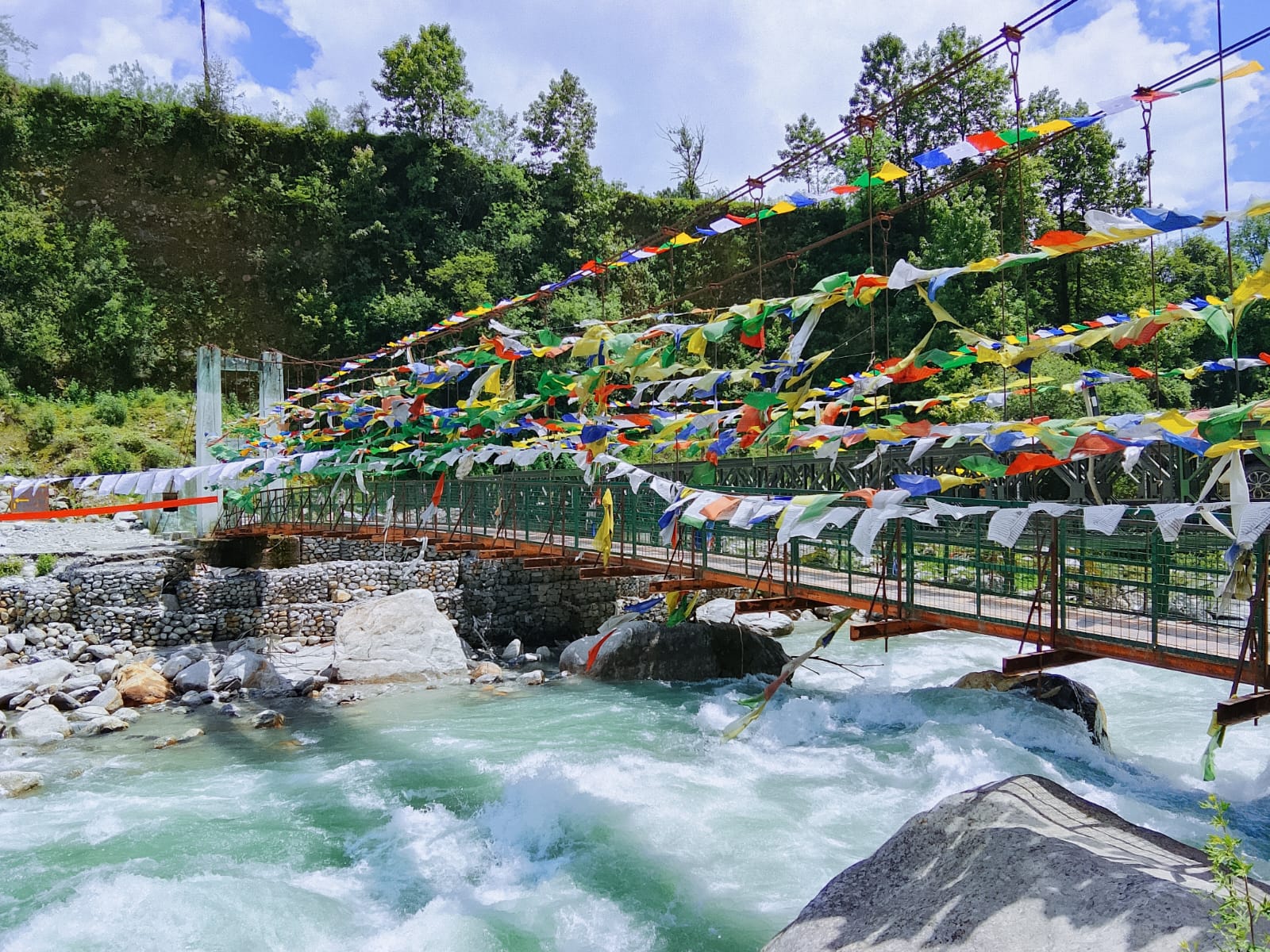
Some destinations impress you with grand monuments, while others stay in your heart because of the way they make you feel. Sikkim belongs to the second category. Tucked into the eastern Himalayas, this beautiful state is a world of misty roads, snow-covered peaks, quiet monasteries, green valleys, and villages where life moves at a gentler pace.
Sikkim is a place where clouds drift across mountain slopes, prayer flags flutter in the wind, and waterfalls appear around unexpected bends. One moment, you may be walking through the lively streets of Gangtok; the next, you may be standing beside a frozen lake or looking at a valley covered with alpine flowers.
The beauty of Sikkim is not limited to its landscapes. Its food, festivals, handicrafts, languages, and warm hospitality make the journey more meaningful. Whether you are a nature lover, photographer, adventure seeker, or someone searching for peace, Sikkim offers an experience that feels personal and unforgettable.
Why Sikkim feels different
Sikkim stands apart from many other Himalayan destinations because of its remarkable variety. The state includes subtropical forests, dense pine-covered hills, alpine meadows, glacial lakes, deep valleys, and some of the world’s most dramatic mountain scenery.
The landscape changes as you travel from one region to another. Gangtok offers modern comforts, cafés, markets, and viewpoints. North Sikkim feels rugged and remote, with high-altitude valleys and winding mountain roads. Pelling combines history with unforgettable views, while Ravangla offers a peaceful atmosphere surrounded by forests and hills.
Sikkim also has a strong tradition of responsible tourism. Many local communities welcome visitors through homestays, small guesthouses, and village experiences. Staying with a local family can give you a better understanding of mountain life than a standard hotel ever could.
Gangtok: The gateway to Sikkim
Gangtok is the capital of Sikkim and the most convenient starting point for exploring the state. Built along a mountain ridge, the city offers a blend of natural beauty, local culture, shopping, and modern facilities.
Begin your Gangtok experience at MG Marg, a pedestrian-friendly street filled with cafés, restaurants, shops, and comfortable seating areas. It is an excellent place for an evening walk and a chance to observe the city’s relaxed atmosphere.
For culture and history, visit the Namgyal Institute of Tibetology, which houses valuable Buddhist manuscripts, art, and traditional objects. Enchey Monastery is another peaceful place to visit, especially if you want to experience Sikkim’s spiritual side.
Tashi View Point and Ganesh Tok are popular places for panoramic mountain views. On a clear morning, the sight of Kanchenjunga glowing in the sunlight can become one of the most memorable moments of your trip.
Tsomgo Lake and Nathula Pass
Tsomgo Lake, also known as Changu Lake, is one of the most popular places to visit near Gangtok. Located at a high altitude, the lake is surrounded by rugged mountains and changes its appearance with the seasons.
During warmer months, the water reflects the sky and hills. In winter, it may freeze and become covered with snow, creating a dramatic scene. The journey to the lake is equally beautiful, with winding roads passing through forests and high mountain terrain.
Many travelers also include Nathula Pass in their itinerary. This historic mountain pass lies near the India–Tibet border and is known for its strategic and historical importance. Because it is a protected border area, visitors generally need permits, and access may depend on weather and official conditions.
Before visiting these high-altitude locations, carry warm clothes, stay hydrated, and avoid rushing. The journey should be enjoyed slowly because the changing landscape is one of its greatest attractions.
North Sikkim: Lachen and Lachung
North Sikkim offers a raw and dramatic version of the Himalayas. Lachen and Lachung are two important mountain settlements that act as bases for exploring the region.
Lachen is known for its high-altitude surroundings and routes toward Gurudongmar Lake. The journey takes you through rugged mountains, open valleys, rushing streams, and landscapes that feel almost untouched. The air becomes thinner as you climb, so travelers should plan carefully and follow local advice.
Lachung is a picturesque mountain town surrounded by forests and snow-covered peaks. It is the main gateway to Yumthang Valley and is also a good place to experience local hospitality. A stay in a homestay can make your visit more memorable because you can enjoy traditional meals and learn about the lives of people living in the mountains.
North Sikkim is not a region to explore hurriedly. Roads can be rough, journeys can take longer than expected, and weather conditions may change quickly. The reward, however, is a landscape that feels wild, peaceful, and deeply connected to nature.
Yumthang Valley: The Valley of Flowers
Yumthang Valley is one of the most beautiful destinations in Sikkim. Often called the Valley of Flowers, it is known for its green meadows, alpine blooms, clear streams, and surrounding mountains.
During the flowering season, the valley becomes a colorful natural carpet. Different flowers appear across the landscape, creating a striking contrast against the distant peaks. In winter, the same valley may turn into a quiet snow-covered wonderland.
The experience of Yumthang is not only visual. The cold mountain air, flowing river, and silence create a peaceful atmosphere that encourages visitors to slow down. You may find yourself spending more time simply looking at the landscape than taking photographs.
Because Yumthang lies in a protected and high-altitude region, travel permits are usually required. Road access can also be affected by snow, rain, or landslides. Always check local conditions before planning your visit.
Gurudongmar Lake: A high-altitude wonder
Gurudongmar Lake is among the most remarkable places in North Sikkim. Located at a very high altitude, it is surrounded by stark mountains and open skies. The landscape here is different from the green valleys lower down; it feels vast, cold, and almost otherworldly.
The lake is considered sacred by both Buddhists and Sikhs, adding spiritual importance to its natural beauty. Visitors are expected to maintain respect and avoid disturbing the peaceful environment.
Because of the altitude, this journey is not suitable for everyone. Travelers should discuss their plans with local operators, avoid unnecessary physical exertion, and be prepared for cold weather. Even reaching the lake can feel like an achievement, and the view is a powerful reminder of the scale of the Himalayas.
Pelling: where history meets mountain views
Pelling, located in western Sikkim, is an excellent destination for travelers who want peaceful surroundings and views of Kanchenjunga. The town is less hectic than Gangtok and offers a relaxing base for exploring monasteries, ruins, waterfalls, and villages.
Pemayangtse Monastery is one of the most important attractions near Pelling. Its peaceful setting and traditional architecture make it a meaningful place to visit. Nearby, the Rabdentse Ruins offer a glimpse into Sikkim’s royal past. Walking through the forest toward the ruins feels like entering a forgotten chapter of history.
Pelling is also known for its viewpoints and nature trails. On a clear morning, the mountain views can be spectacular. The town is ideal for travelers who want to combine cultural exploration with a quiet Himalayan stay.
Ravangla and Buddha Park
Ravangla is a peaceful town in South Sikkim surrounded by forested hills. It is best known for Buddha Park, a beautifully maintained area featuring a large statue of the Buddha and views of the surrounding mountains.
The park is more than a regular sightseeing spot. Its calm pathways, gardens, and spiritual atmosphere make it a place where visitors can pause and reflect. Ravangla is also close to monasteries, villages, and forest areas that are ideal for slow walks and photography.
Travelers interested in birdwatching may also enjoy the surrounding region. The forests support a variety of Himalayan bird species and plants, making Ravangla an attractive destination for nature enthusiasts.
Sikkim’s monasteries and spiritual heritage
Monasteries are an essential part of Sikkim’s identity. Buddhism has influenced the state’s architecture, festivals, art, music, and daily life for centuries.
Rumtek Monastery near Gangtok is one of the most prominent monasteries in the region. Enchey Monastery offers a quieter experience within a forested setting, while Pemayangtse Monastery is valued for its history and religious importance.
Visitors should remember that monasteries are active places of worship. Dress modestly, keep your voice low, ask before taking photographs, and follow local instructions. Respectful travel allows you to appreciate these spaces without treating them as ordinary tourist attractions.
Local food you must try
Sikkim’s food is warm, filling, and perfect for mountain weather. Its cuisine reflects the influence of Bhutia, Lepcha, and Nepali communities.
Momos are among the most popular dishes in Sikkim. These steamed dumplings may contain vegetables, chicken, pork, or cheese and are usually served with a spicy sauce.
Thukpa is a noodle soup filled with vegetables, meat, and a flavorful broth. It is especially comforting after a cold day of sightseeing.
Phagshapa is a traditional pork dish cooked with radish and dried chillies. Sha phal, a stuffed fried or baked bread, is another local favorite.
You may also find fermented foods, bamboo-shoot preparations, local pickles, and traditional beverages. Do not leave Sikkim without trying a cup of hot tea while looking out at the mountains. The experience is simple, but it stays with you.
Culture, communities, and language
Sikkim is home to several communities, including the Bhutia, Lepcha, and Nepali people. Each community contributes to the state’s food, music, clothing, festivals, language, and traditions.
The Lepchas are considered one of Sikkim’s indigenous communities and share a deep relationship with the land and natural environment. Bhutia culture is closely connected with Tibetan Buddhist traditions, while Nepali influence can be seen throughout the state in food, music, language, and celebrations.
Important festivals include Losar, Losoong, Pang Lhabsol, and various Nepali festivals. These celebrations often include traditional dances, music, prayer ceremonies, colorful clothing, and community feasts.
Nepali, Hindi, English, and local languages are commonly spoken in Sikkim. A friendly greeting or a simple attempt to speak with local residents can make your interactions more welcoming.
Traditional clothing and handicrafts
Sikkim’s traditional clothing is practical, colorful, and connected to its cultural identity. The bakhu, a traditional robe worn by Bhutia communities, is one of the best-known garments. Shawls, woolens, and warm layered clothing are also common because of the mountain climate.
Sikkim is known for handmade carpets, woven products, wooden crafts, Buddhist paintings, masks, and locally produced goods. Shopping from recognized local stores or craft centers can help support artisans and ensure that you take home authentic products.
Instead of buying mass-produced souvenirs, look for handmade items with a story behind them. A small woven product or traditional craft can become a more meaningful reminder of your journey than a generic gift.
Best time to visit Sikkim
The best time to visit depends on your travel plans. Spring and summer are ideal for green landscapes, blooming flowers, and comfortable sightseeing. Autumn often brings clearer mountain views and pleasant weather.
Winter is perfect for travelers who want snow, but some high-altitude roads may become inaccessible. The monsoon season brings heavy rainfall, and landslides may affect road travel. If you visit during this period, keep your itinerary flexible and check local travel updates regularly.
Responsible travel tips
Sikkim’s beauty depends on responsible tourism. Keep these habits in mind:
- Carry reusable bottles and avoid unnecessary plastic.
- Never leave wrappers or waste in valleys, forests, or near lakes.
- Respect monasteries, prayer flags, and local customs.
- Ask permission before photographing residents.
- Support local homestays, restaurants, guides, and artisans.
- Avoid disturbing wildlife or removing flowers, stones, or plants.
- Keep noise low in villages and natural areas.
- Follow permit rules and instructions in protected regions.
Small actions can help protect Sikkim for future generations.
Suggested Sikkim itinerary
For a first visit, spend three days in Gangtok exploring MG Marg, monasteries, viewpoints, Tsomgo Lake, and Nathula Pass if permits and weather allow.
Spend another two or three days in North Sikkim, covering Lachung and Yumthang Valley. If conditions permit, add Lachen and Gurudongmar Lake, keeping high-altitude safety in mind.
Continue to Pelling for two days to visit Pemayangtse Monastery, Rabdentse Ruins, waterfalls, and mountain viewpoints. End your trip in Ravangla or another destination in South Sikkim for a slower cultural experience.
Final thoughts
Sikkim does not reveal everything at once. It unfolds gradually through misty roads, quiet villages, prayer flags, monastery bells, steaming bowls of thukpa, and mountain views that appear when the clouds finally move away.
The state is beautiful, but its real charm lies in the connection between landscape and culture. A stay at a local homestay, a conversation over tea, a walk through a forest, or a quiet moment beside a mountain lake can become more memorable than any crowded attraction.
Sikkim is where clouds kiss the mountains, but it is also where travelers discover a slower and more meaningful way to experience the Himalayas.
Frequently Asked Questions
What is Sikkim famous for?
Sikkim is famous for Himalayan scenery, Kanchenjunga views, monasteries, alpine lakes, waterfalls, peaceful valleys, local food, and diverse cultural traditions.
Which are the best places to visit in Sikkim?
Gangtok, Tsomgo Lake, Nathula Pass, Pelling, Lachung, Yumthang Valley, Lachen, Gurudongmar Lake, and Ravangla are among the most popular destinations.
What food should I try in Sikkim?
Momos, thukpa, phagshapa, sha phal, local pickles, bamboo-shoot dishes, and traditional beverages are worth trying.
Is Sikkim suitable for family travel?
Yes, Gangtok, Pelling, and Ravangla are suitable for many family travelers. High-altitude destinations require additional planning and health precautions.
Do I need permits to visit North Sikkim?
Several protected and border areas require permits. These are usually arranged through registered local travel operators and may depend on weather and government regulations.
How many days are enough for Sikkim?
Seven days can cover Gangtok, North Sikkim, and Pelling. A longer trip allows time for Ravangla, Namchi, monasteries, homestays, and lesser-known villages.
What makes Sikkim different from other Himalayan destinations?
Sikkim combines dramatic mountain scenery with Buddhist heritage, diverse communities, peaceful villages, local homestays, traditional food, and a strong focus on clean and responsible tourism.